North And South India Heritage Religious Tour
27 Nights / 28 Days

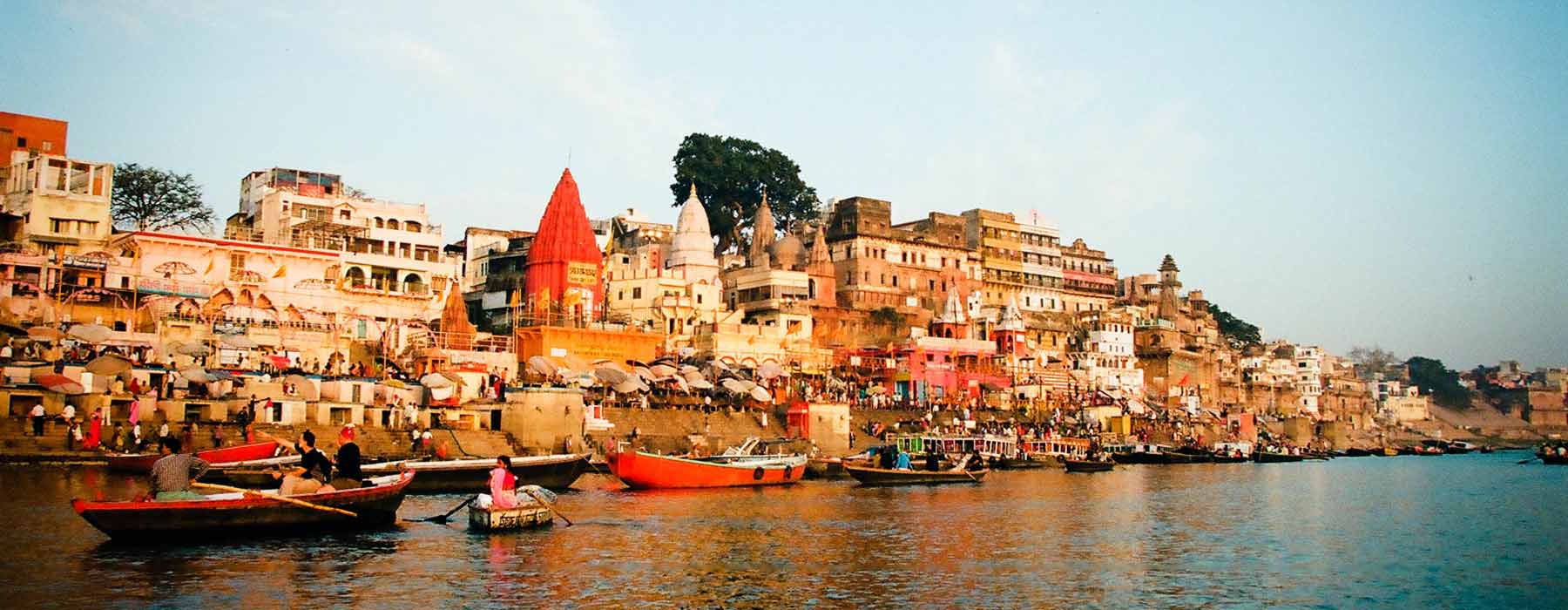
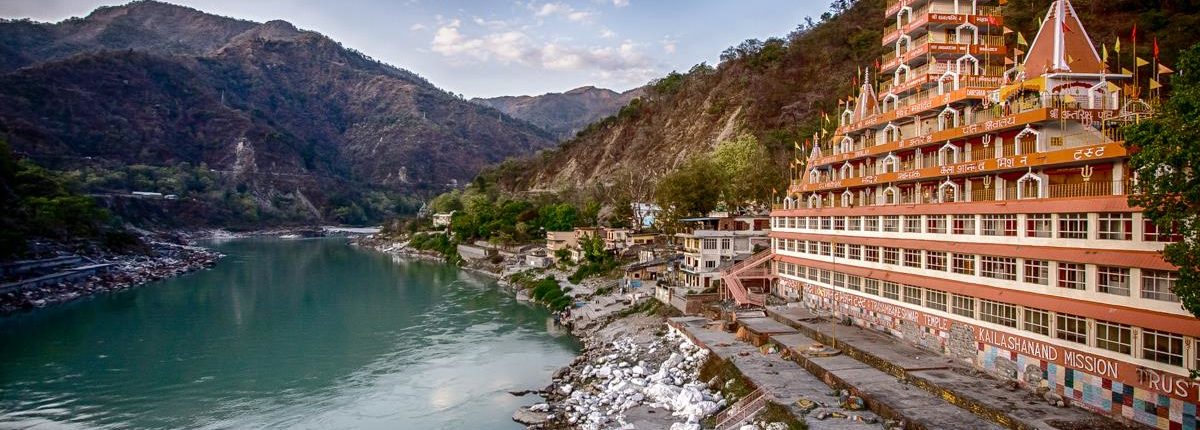
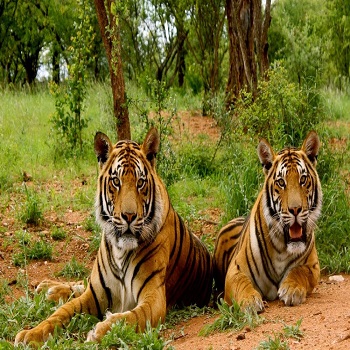
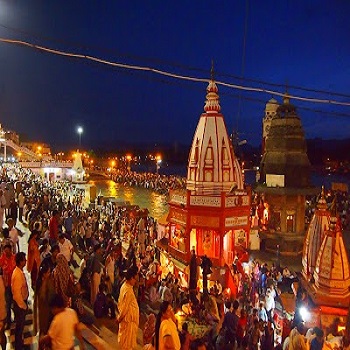
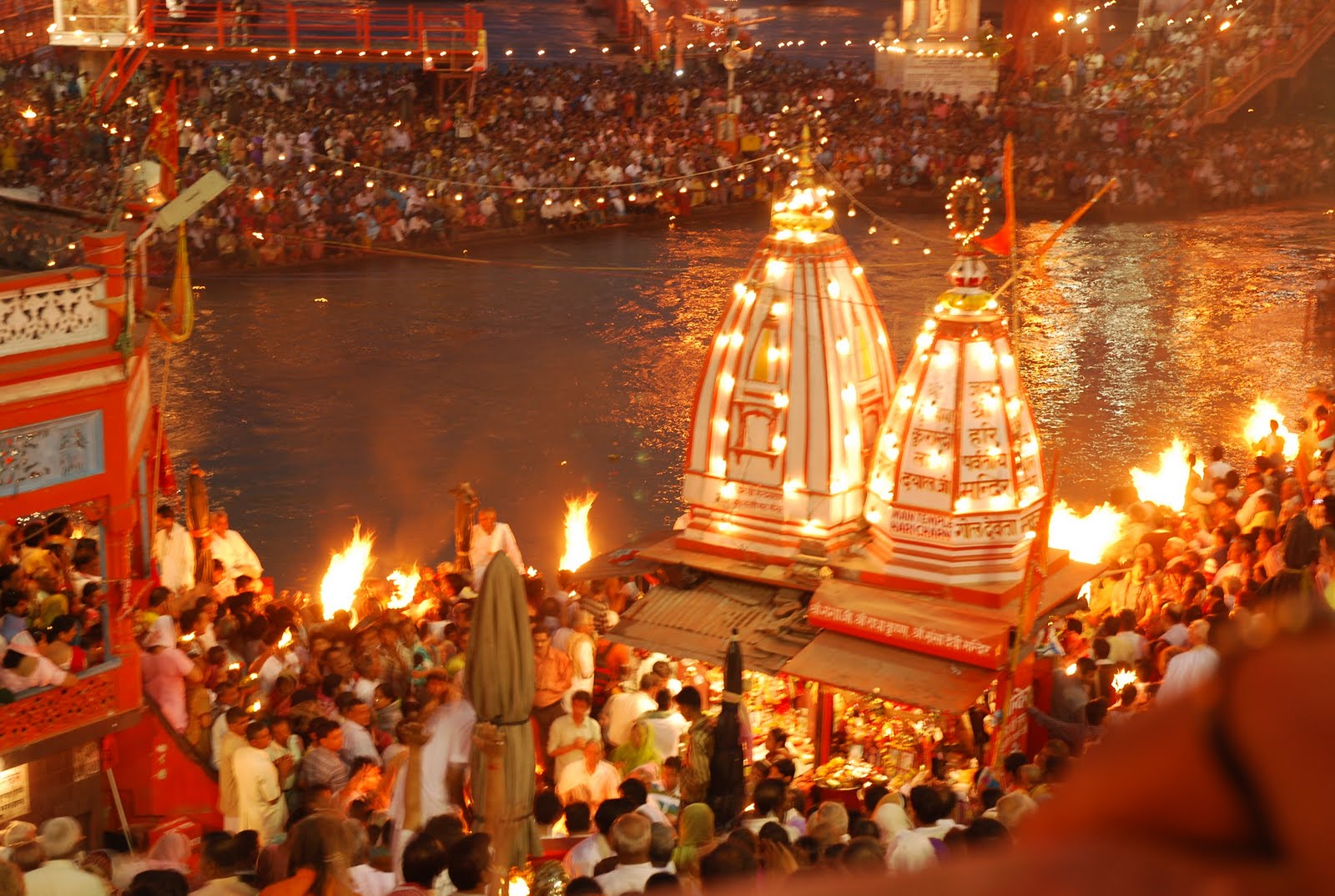
One of the holiest pilgrimages in India, Haridwar, or the ‘gateway to gods’, is located where Ganga, the sacredest of all Indian rivers, enters the Indo-Gangetic plains. Located at the foothills of the Himalayas, Haridwar is a city of temples and ashrams and its pious ambience envelops everyone. Haridwar is one of the four holy Indian cities that host the Kumbh Mela, a pious gathering of millions of Hindu devotees every 12 years. The Ardh Kumbh is organised here every six years. It also hosts the Kanwar mela every year during the rainy season. The ‘Panch Tirth’ or the five pilgrimages located within the periphery of Haridwar, are Gangadwara (Har Ki Pauri), Kushwart (Ghat), Kankhal, Bilwa Tirtha (Mansa Devi Temple) and Neel Parvat (Chandi Devi). Haridwar serves as the gateway to the Char Dham of Uttarakhand as well. An ancient city, Haridwar's roots are steeped deep in culture and traditions of the ancient Vedic times, and there are several institutions here imparting traditional knowledge of wellness. If you want to know more and experience the ancient methods of healing, there are many certified Ayurvedic clinics in Haridwar that you can visit. Ashrams also offer sessions in Ayurveda, meditation and yoga. Every morning and evening, the ghats (stepped banks of a river) of River Ganga witnesses the blissful Ganga aarti, which attracts devotees and tourists. The evening ritual being more popular, it makes for a mesmeric sight to see the river being venerated with loud and rhythmic chants and tall lamps, their lights lightening up the darkening waters. It is a spectacular sight as thousands of small diyas (earthen lamps) are set afloat on the river. Haridwar is one of the primary areas where river Ganges emerges from the mountains and enters to the plain areas. Lush green forests and crystal clear water of river Ganges and background of mountains create the charming beauty of this holy city. In the evening ghats looks beautiful as hundreds of diyas (lamps) and marigold flowers float and light up the river Ganges. The Rajaji National Park is just 10 km from Haridwar. Its an ideal destination for wild life and adventure lovers. If you want to purify yourselves take a holy dip in the water of river Ganges at Haridwar. All your sins will be purified. This is most common thing which you can hear about Haridwar in all over India.
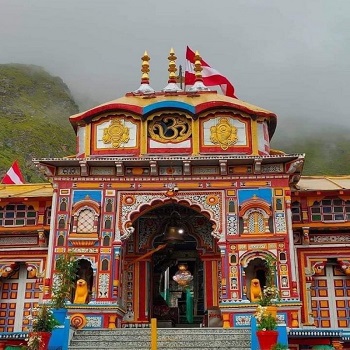
Haridwar contains two words Hari and Dwar. Hari means god and Dwar means gate. Haridwar means gateway to the god. There are four holy temples Yamunotri, Gangotri Kedarnath and Badrinath on the hills also known as Chardham. Haridwar is like a entry point to these chardham. People visit Haridwar before visiting these temples so the town was became famous as Haridwar. Shaivites call it Har Dwar Gateway to Lord Shiva (Kedarnath Temple) and Vaishnavites call it Hari Dwar Gateway to Lord Vishnu (Badrinath Temple) It is also said that Haridwar is blessed by the presence of all three major Gods of Hindus namely Brahma, Vishnu and Maheshwar. Thus, with all these mythological links attached to its name, it's little wonder why Haridwar is often referred to as 'gateway to god'. Haridwar is always place of interest for the researchers because it is one of the oldest living cities in India. Haridwar has numerous temples with interesting legacies. Maa Ganga after carrying the purity of heaven from the kamandal of Lord Brahma, washing the feet of Lord Vishnu and flowing through the sahastra of Lord Shiva came on this earth and made Haridwar as it's divine flow area. From time immemorial, Maa Ganga has been doing the duty of absorbing the heat and negativities of this earth. Besides and , It is Gateway for the four dhams (Chardham). Gangotri, Yamunotri, Kedarnath and Badrinath